
Logo

Alien Biochemistry: Investigating Non-Carbon-Based Life

The search for extraterrestrial life has traditionally been rooted in our understanding of carbon-based life forms, similar to those found on Earth. However, the vastness of the universe and the diversity of its environments raise the possibility that life may exist in forms that differ fundamentally from what we know. In this blog post, we will explore the concept of non-carbon-based life and the potential biochemistry of alien organisms, shedding light on the mysteries of their potential existence.

I. Carbon-Based Life on Earth

Life on Earth is predominantly carbon-based, with organic compounds forming the basis of biological processes. Carbon is unique in its ability to form complex and stable molecules, making it an ideal building block for life. However, the question arises: Is carbon the only element capable of supporting life?

II. The Search for Alien Biochemistry
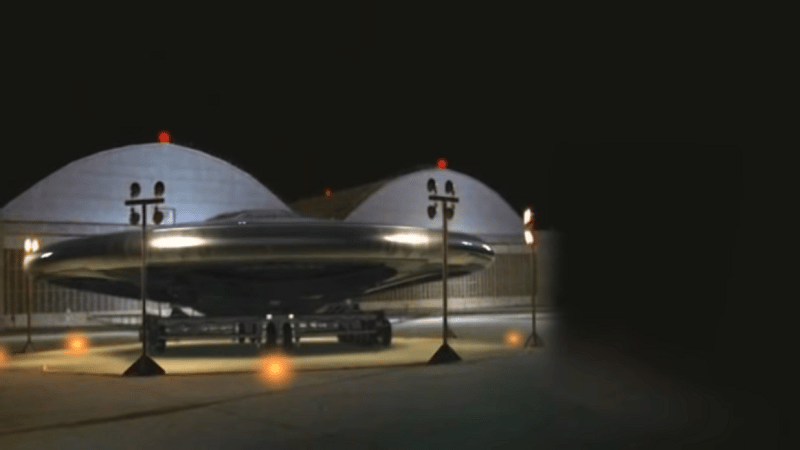
As scientists search for signs of extraterrestrial life, they consider the possibility of non-carbon-based life forms. Elements like silicon, sulfur, and even nitrogen are explored as potential alternatives to carbon in the biochemistry of alien organisms. These elements possess some of the key properties necessary for life, such as the ability to form stable compounds and adapt to different environments.

III. The Challenges of Non-Carbon-Based Life
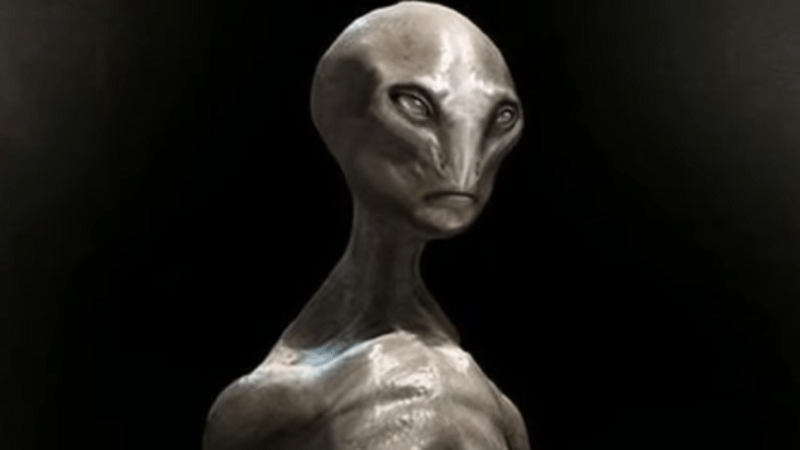
While non-carbon-based life is theoretically possible, it presents a range of challenges for detection and understanding. If alien biochemistry differs significantly from what we know, our methods for identifying signs of life may prove inadequate. Additionally, the extreme diversity of environments in the universe makes it challenging to predict what type of biochemistry may be prevalent in extraterrestrial life forms.

IV. The Enigma of Alien Biochemistry

The concept of non-carbon-based life adds complexity to the search for extraterrestrial life. While carbon-based life may be more familiar to us, the potential existence of alternative biochemistry underscores the vastness of the universe and the mysteries of the cosmos. As we continue to explore the enigma of alien UFOs and the potential for extraterrestrial life, we must remain open to the possibility of biochemistry that defies our current understanding.

In conclusion, the investigation of non-carbon-based life expands the horizons of astrobiology and the search for extraterrestrial life. While carbon-based life is the foundation of our understanding, the vast and diverse universe offers the potential for alternative forms of biochemistry. The mysteries of the cosmos and the enigma of alien UFOs challenge us to remain open to the unknown and to explore the uncharted frontiers of potential extraterrestrial life.


0 views
Alien Perspectives: How Extraterrestrials Might Perceive the Universe
The universe is a vast and awe-inspiring expanse, and humans have spent centuries trying to understand it from our unique perspective. But what if there are other intelligent beings out there, aliens, who perceive the cosmos in a completely different way? In this blog post, we will embark on a journey of imagination to explore how extraterrestrial civilizations might perceive the universe, shedding light on the mysteries of their potential existence. I. Alien Senses and Sensibilities To understand how aliens might perceive the universe, we must first consider the sensory capabilities they possess. While humans rely on a limited set of senses, such as sight, hearing, and touch, aliens might have an entirely different range of sensory abilities. These could include sensing various forms of energy, perceiving different dimensions, or even communicating through means we can’t fathom. These unique senses would give them an entirely distinctive view of the universe. II. Alien Interpretations of Cosmic Phenomena As we gaze at the stars, we see celestial bodies, galaxies, and cosmic phenomena through the lens of our scientific understanding. Aliens, on the other hand, might have an entirely different perspective on these cosmic wonders. They might interpret these phenomena in ways that are beyond our comprehension, understanding the universe in ways that challenge our human-centric notions. III. Cultural and Philosophical Variations Just as human culture and philosophy influence our perception of the universe, alien civilizations would be shaped by their unique cultural and philosophical perspectives. How they view the cosmos, their place in it, and their understanding of its mysteries would be informed by their own history, beliefs, and values. This could lead to entirely different interpretations of the universe’s purpose and significance. IV. The Enigma of Alien Perspectives While pondering how aliens might perceive the universe is a thought-provoking exercise in imagination, it underscores the profound mysteries surrounding the search for extraterrestrial life. The cosmos is an enigmatic and vast expanse, and the diversity of potential extraterrestrial perspectives adds layers of intrigue to our quest to understand the mysteries of the universe and the enigma of alien UFOs. In conclusion, considering how aliens might perceive the universe offers a fascinating journey into the realm of the unknown. With distinct senses, interpretations of cosmic phenomena, and cultural influences, their view of the cosmos would be unlike anything we can comprehend. This exercise in imagination reminds us of the endless possibilities and mysteries that exist beyond our human perspective and adds depth to our fascination with the unknown. Post Views: 421 Related