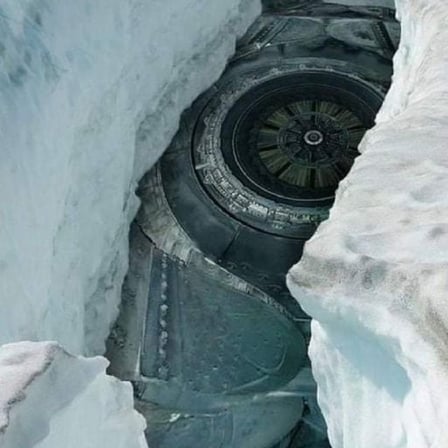
Unidentified Flying Objects, or UFOs, have been a subject of intrigue and mystery for decades. While many UFO sightings remain unexplained, radar data provides a unique perspective on these enigmatic objects. In this blog post, we will delve into the world of UFO shapes as revealed by radar data, shedding light on the complexities of analyzing unknown signatures and the ongoing quest for answers regarding the existence of extraterrestrial life.
I. Radar Data: A Scientific Perspective
Radar, an acronym for Radio Detection and Ranging, is a technology used for detecting and tracking objects in the air. It relies on emitting radio waves and then analyzing the echoes that bounce back from objects in the path of those waves. When it comes to UFO sightings, radar data plays a critical role in providing a scientific and measurable record of the presence of unknown objects in the sky.
II. The Diversity of UFO Shapes

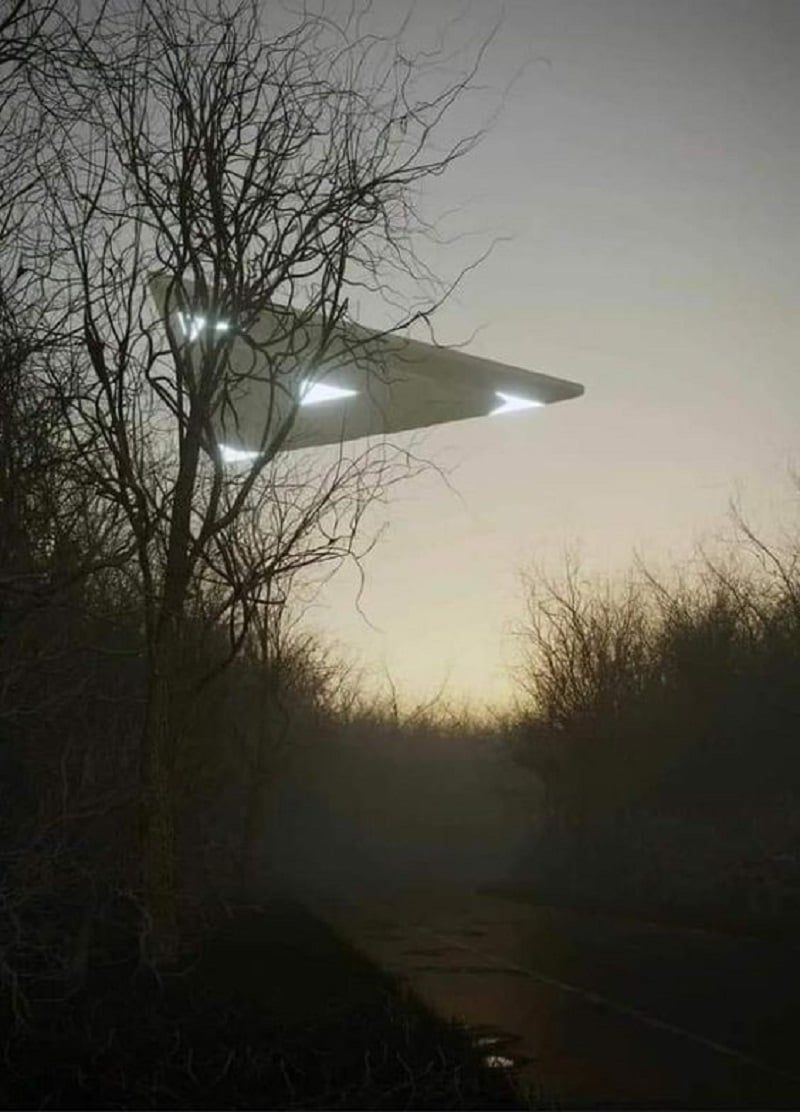
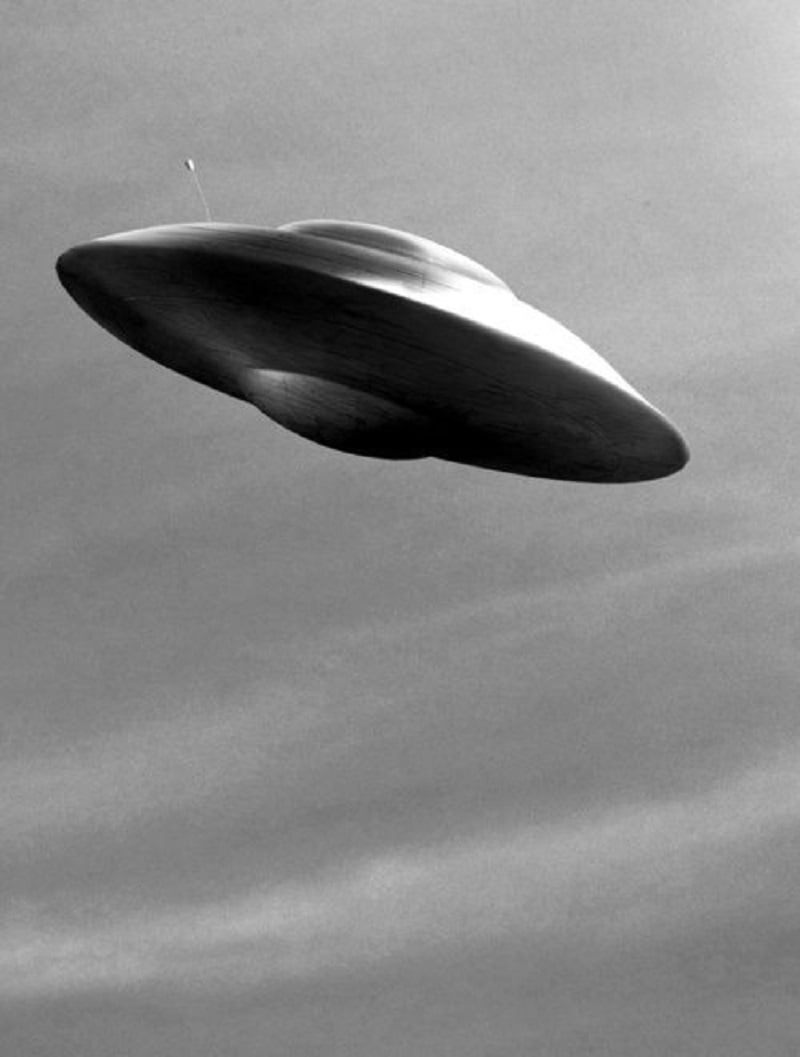
Radar data has revealed a diverse range of UFO shapes, each more puzzling than the last. From classic saucer-like objects to triangular and cylindrical shapes, UFO sightings captured in radar data showcase a multitude of unknown signatures. The variability in shapes raises questions about the nature and origins of these objects, and whether they could be attributed to advanced military technology or possibly extraterrestrial craft.
III. Challenges in Analysis

Analyzing UFO shapes in radar data is not without its challenges. These enigmatic objects often exhibit characteristics that defy conventional understanding. Their movements can be erratic, with sudden changes in speed and direction, making it difficult to determine their true nature. Additionally, radar data might capture only a partial view of the objects, leaving much to the imagination.
IV. The Quest for Answers
Radar data analysis is a crucial tool in the quest for answers regarding UFO phenomena. While the majority of sightings can be explained by natural phenomena, misidentifications, or classified military operations, there remains a percentage of cases that defy conventional explanations. These unexplained radar signatures continue to fuel the ongoing search for evidence of extraterrestrial life.

Radar data analysis offers a scientific perspective on UFO shapes, bringing us one step closer to understanding these enigmatic objects that have captured the human imagination for decades. The diversity of UFO shapes, the challenges in their analysis, and the quest for answers all contribute to the ongoing mystery surrounding the existence of unidentified flying objects.
In the realm of myterity and alien UFOs, radar data remains a valuable source of evidence and intrigue. While the quest for answers continues, the study of UFO shapes in radar data is an essential part of the broader exploration of unexplained phenomena in our skies. Whether the truth lies in advanced military technology or the presence of extraterrestrial life, radar data analysis remains a cornerstone in our efforts to uncover the secrets of the cosmos.