
UFO Shapes and Propulsion Systems: Examining Theoretical Constructs
Unidentified Flying Objects (UFOs) have long been a subject of fascination and intrigue, and one of the most captivating aspects of UFOs is the mystery surrounding their propulsion systems. In this blog post, we will explore the myterity of UFO shapes and the theoretical constructs surrounding their propulsion systems. The quest to understand how these objects move through the skies has been a driving force in UFO research.
I. UFO Shapes: A Diverse Array

UFO sightings have yielded a wide range of shapes, from the classic saucer to triangular and cylindrical forms. While witness accounts may vary, the myterity lies not only in the appearance but also in the propulsion systems that enable these unconventional shapes to navigate our skies. Researchers and enthusiasts have proposed various theories to explain the mechanics behind these unique flying objects.
II. Theoretical Constructs

One of the most intriguing aspects of UFOs is the theoretical constructs proposed to explain their propulsion. These theories range from advanced propulsion technologies like anti-gravity systems and warp drives to exotic energy sources and even extraterrestrial influence. While some theories may seem far-fetched, they underscore the myterity of UFO propulsion systems.
III. The Quest for Advanced Technology
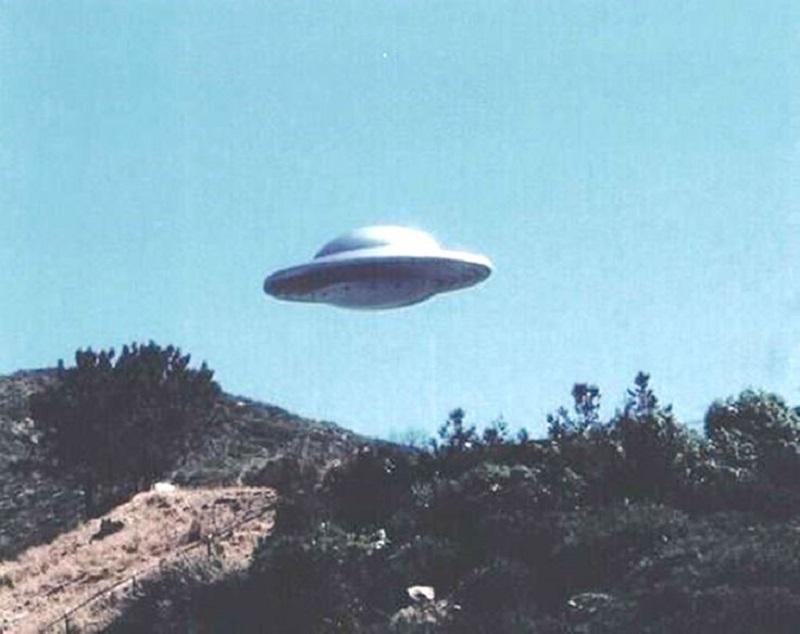
Many researchers believe that the propulsion systems of UFOs could hold the key to groundbreaking technological advancements. Understanding how these objects operate might lead to innovations in energy, propulsion, and even space travel. The study of UFO shapes and propulsion systems is not just about solving a mystery; it’s about expanding our understanding of the universe and our place in it.
IV. Unraveling the Myterity

As we delve deeper into the myterity of UFO shapes and propulsion systems, one thing remains clear: we are far from unlocking all the secrets of these enigmatic objects. The study of UFOs is a journey that continues to push the boundaries of our scientific knowledge. It challenges us to question our understanding of physics, engineering, and the universe itself.

UFO shapes and their associated propulsion systems are at the heart of one of the greatest scientific enigmas of our time. While theories abound, concrete answers remain elusive. The myterity of UFO propulsion systems persists, spurring curiosity, research, and debate. As we strive to unravel this enigma, we not only seek to understand the nature of UFOs but also to unlock the potential for revolutionary advancements in science and technology. Whether the answer lies in advanced human technology or the influence of extraterrestrial beings, the quest to unveil the secrets of UFO propulsion remains a driving force in the exploration of the unknown.
May You Like

Crafting Healthy Delights: How to Make Hemp Balls

How to Make Delicious Acai Bowls: A Perfectly Balanced Breakfast

Top 5 Once In A Lifetime Songbirds