Logo

The Northern Lapwing (Vanneau Huppé) Nature’s Lively Acrobat

Introduction

The Northern Lapwing (Vanneau Huppé) is a charismatic and distinctive bird species found throughout Europe and parts of Asia. With its unique crest and lively behavior, this wader is a favorite among birdwatchers and nature enthusiasts. In this blog post, we will dive into the world of the Northern Lapwing, exploring its remarkable features, habitat, behavior, and the conservation efforts to protect this acrobatic bird.

1. The Crested Marvel: Appearance of the Northern Lapwing

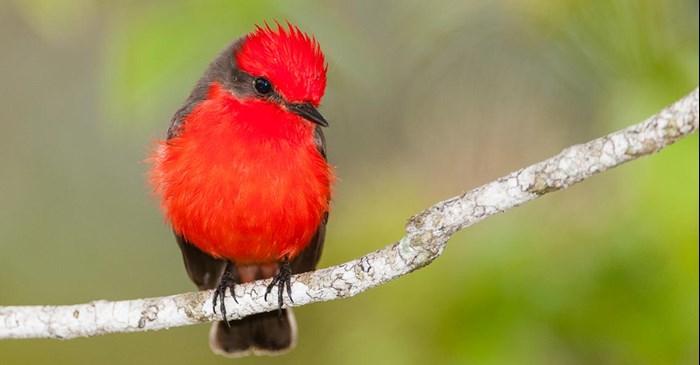
The most striking feature of the Northern Lapwing is undoubtedly its crest. This unique tuft of feathers crowning its head sets it apart from other wader species. With a mix of black, white, and shades of brown, the Northern Lapwing has an intricate and captivating plumage. Its distinctive appearance makes it easily recognizable in its natural habitat.

2. Range and Habitat

Northern Lapwings are widely distributed across Europe and parts of Asia. They favor wetlands, marshes, and open grasslands as their primary habitat. These birds are highly adaptable and can be found in a variety of landscapes, from coastal areas to agricultural fields. The presence of shallow water and muddy soils is crucial, as they feed on invertebrates and small prey found in these environments.

3. The Energetic Acrobat: Lapwing Behavior

The Northern Lapwing is known for its lively and acrobatic displays, especially during the breeding season. These birds engage in tumbling flight displays and are famous for their “peewit” call, which sounds like their namesake. These aerial performances are not just for show; they serve as a way for lapwings to defend their nesting territory and attract mates.

4. Nesting and Conservation

Breeding Northern Lapwings construct shallow nests on the ground in grassy areas. They are known for their aggressive defense of their nests and young, using distraction displays and loud calls to deter potential predators. However, despite their resilience, lapwing populations have faced declines due to habitat loss and changes in land use. Conservation efforts are critical to protect their nesting sites and ensure their continued survival.

5. The Lapwing’s Call to Action

Northern Lapwings are more than just fascinating birds; they play a vital role in their ecosystems. By feeding on invertebrates, they help control pest populations and maintain the health of wetland environments. The decline of lapwing populations serves as a warning about the broader challenges faced by many bird species due to habitat loss.

Fecal Content

In conclusion, the Northern Lapwing, with its distinctive appearance, acrobatic behavior, and important role in maintaining ecosystem balance, is a true marvel of the avian world. As we celebrate the charm of the Northern Lapwing, let us also recognize the importance of conservation efforts to protect their habitats and ensure their continued presence in the wild.

The Science of UFOs Investigating Unidentified Flying Objects
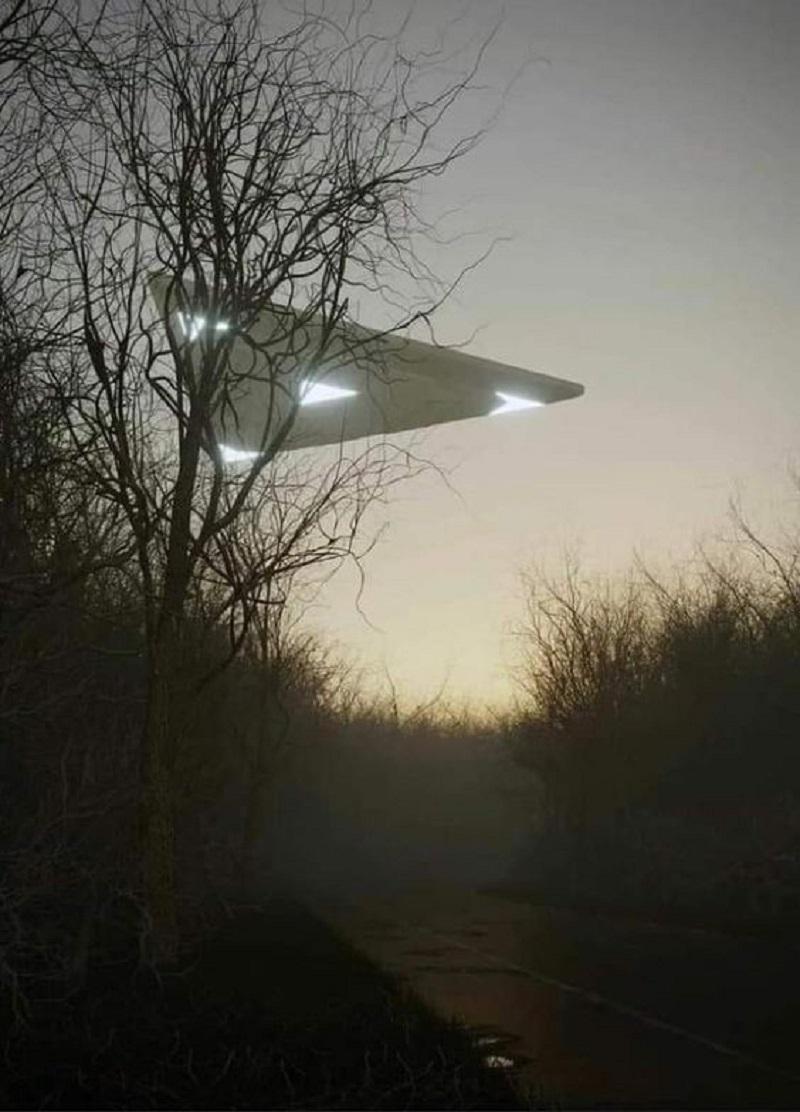
The term UFO, or Unidentified Flying Object, has been a subject of fascination, debate, and intrigue for decades. In popular culture, UFOs are often associated with extraterrestrial life and alien visitations. However, the scientific investigation of UFOs delves into a world of unexplained aerial phenomena that raises numerous questions about our understanding of the universe. In this blog post, we will explore the scientific perspective on UFOs and the ongoing efforts to understand these mysterious objects.1. The History of UFOs To understand the scientific investigation of UFOs, we must first delve into the history. Reports of unusual aerial phenomena date back centuries, with the term “flying saucer” coined in the 1940s. Since then, governments, scientific organizations, and dedicated individuals have sought to uncover the truth behind these enigmatic sightings. 2. Government Investigations Many governments have launched official investigations into UFO sightings. Notable among these is the U.S. government’s Project Blue Book, which examined thousands of cases from 1952 to 1969. While most cases were explained as natural phenomena or conventional aircraft, a small percentage remained unexplained, fueling the ongoing interest in UFO research. 3. Scientific Organizations Scientific organizations such as the Mutual UFO Network (MUFON) and the Center for the Study of Extraterrestrial Intelligence (CSETI) have collected and analyzed UFO reports. They use scientific methodologies to investigate sightings, often employing experts in various fields, including astronomy, meteorology, and physics. 4. The Search for Extraterrestrial Intelligence (SETI) The scientific search for extraterrestrial life is closely linked to UFO investigations. Projects like SETI use radio telescopes to listen for signals from advanced civilizations. While SETI primarily focuses on communication, it has inadvertently contributed to the understanding of UFO phenomena by ruling out artificial extraterrestrial signals. 5. The Role of Skepticism Scientific inquiry demands skepticism. Many reported UFO sightings can be explained by known natural or human-made phenomena. Scientists work to separate credible reports from hoaxes and misidentifications, a crucial step in understanding the unexplained cases. Conclusion The scientific investigation of UFOs is an ongoing and multidisciplinary endeavor. While most sightings can be attributed to conventional causes, a small percentage remains unexplained. These unexplained cases serve as a reminder of the mysteries of our universe. The scientific community remains committed to unraveling these mysteries and seeking natural explanations for UFO phenomena. As the search for answers continues, it is essential to approach the topic of UFOs with an open but critical mind. UFOs, as the name suggests, are unidentified, and not all unidentified objects are extraterrestrial in origin. Science, with its rigorous methods and evidence-based approach, provides the best tools for understanding these phenomena. In summary, the study of UFOs showcases the human quest for knowledge and our unending curiosity about the unknown. While the truth about UFOs is still elusive, scientific investigations persist, pushing the boundaries of our understanding of the cosmos and the potential for life beyond Earth. The scientific method, fueled by curiosity and evidence, will continue to guide our exploration of this intriguing phenomenon. Post Views: 2,004 Related