The Noble Tradition of the Hunting Dog
Hunting dogs have played an integral role in the history of hunting, assisting humans in tracking and retrieving game for centuries. In this blog post, we will explore the rich tradition of hunting dogs, their various breeds, and the essential role they play in the art of hunting.
 Hunting dogs have been hunting companions for millennia, dating back to ancient civilizations. They have formed strong partnerships with hunters, relying on their keen senses of smell, sight, and hearing to locate and assist in capturing prey. This cooperation between humans and dogs has not only provided sustenance but also cemented a profound bond between species.
 There is a wide variety of hunting dog breeds, each developed for specific hunting purposes. For example, pointers and setters excel in locating and pointing at birds, while retrievers are experts at retrieving waterfowl. Hounds, both scent and sight, are adept at tracking game. Spaniels are known for flushing game from its cover, and terriers are skilled at hunting small burrowing animals.
 One remarkable aspect of hunting dogs is their versatility. Many breeds are trained to work in different terrains and climates, from waterfowl hunting in marshes to deer hunting in the forest. Their adaptability and ability to work in various conditions make them invaluable to hunters seeking a range of game.
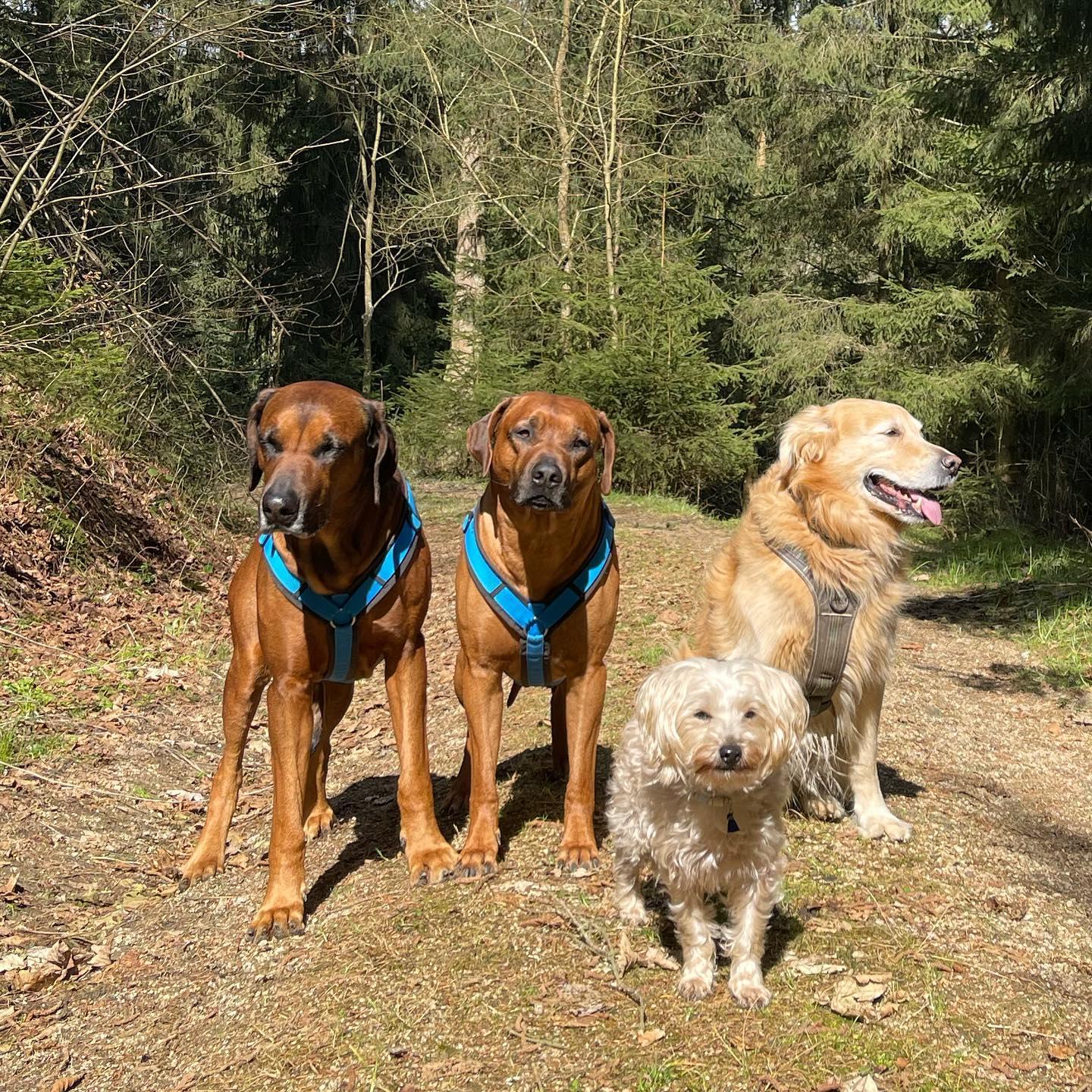 Training hunting dogs is a complex and rewarding process that enhances the bond between the dog and its owner. It involves teaching commands, honing hunting skills, and ensuring the dog’s safety in the field. This close relationship between hunter and dog is built on trust, respect, and shared experiences.
 Modern hunters understand the importance of conservation and ethical hunting practices. Responsible hunting with the assistance of well-trained dogs helps maintain healthy wildlife populations and ensures the continuation of our hunting heritage. Training dogs to respect wildlife and follow ethical hunting standards is a crucial part of the process.
Fecal Content
In conclusion, the tradition of hunting dogs is a testament to the enduring partnership between humans and their loyal canine companions. These remarkable animals, bred for specific purposes and known for their adaptability, play a vital role in the world of hunting. Their skills, versatility, and the bonds they form with their owners make them an essential part of the hunting experience. Moreover, they contribute to the principles of conservation and ethical hunting that sustain our natural world.
Modern hunters understand the importance of conservation and ethical hunting practices. Responsible hunting with the assistance of well-trained dogs helps maintain healthy wildlife populations and ensures the continuation of our hunting heritage. Training dogs to respect wildlife and follow ethical hunting standards is a crucial part of the process.
Fecal Content
In conclusion, the tradition of hunting dogs is a testament to the enduring partnership between humans and their loyal canine companions. These remarkable animals, bred for specific purposes and known for their adaptability, play a vital role in the world of hunting. Their skills, versatility, and the bonds they form with their owners make them an essential part of the hunting experience. Moreover, they contribute to the principles of conservation and ethical hunting that sustain our natural world.
1. A Legacy of Cooperation
Hunting dogs have been hunting companions for millennia, dating back to ancient civilizations. They have formed strong partnerships with hunters, relying on their keen senses of smell, sight, and hearing to locate and assist in capturing prey. This cooperation between humans and dogs has not only provided sustenance but also cemented a profound bond between species.
2. Diverse Breeds for Varied Purposes
There is a wide variety of hunting dog breeds, each developed for specific hunting purposes. For example, pointers and setters excel in locating and pointing at birds, while retrievers are experts at retrieving waterfowl. Hounds, both scent and sight, are adept at tracking game. Spaniels are known for flushing game from its cover, and terriers are skilled at hunting small burrowing animals.
3. Versatility in the Field
4. A Testament to Training and Bonding
Training hunting dogs is a complex and rewarding process that enhances the bond between the dog and its owner. It involves teaching commands, honing hunting skills, and ensuring the dog’s safety in the field. This close relationship between hunter and dog is built on trust, respect, and shared experiences.
5. Conservation and Ethical Hunting
Modern hunters understand the importance of conservation and ethical hunting practices. Responsible hunting with the assistance of well-trained dogs helps maintain healthy wildlife populations and ensures the continuation of our hunting heritage. Training dogs to respect wildlife and follow ethical hunting standards is a crucial part of the process.
Fecal Content
In conclusion, the tradition of hunting dogs is a testament to the enduring partnership between humans and their loyal canine companions. These remarkable animals, bred for specific purposes and known for their adaptability, play a vital role in the world of hunting. Their skills, versatility, and the bonds they form with their owners make them an essential part of the hunting experience. Moreover, they contribute to the principles of conservation and ethical hunting that sustain our natural world.May You Like


The Bright and Energetic World of Border Terriers
May 13, 2025•News

The Ultimate Productivity Haven: Creating a Desk with a Window View
May 13, 2025•News
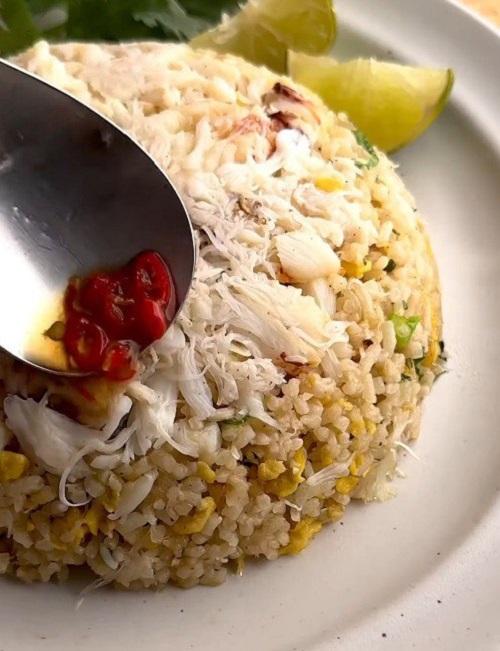
Crab fried rice is a dish that embodies the perfect blend of flavors and textures. It’s a delicious amalgamation of succulent crab meat, fluffy rice, and an array of colorful vegetables, all seasoned to perfection. The best part? It’s incredibly easy to make at home, allowing you to indulge in restaurant-quality flavors without the hassle. In this blog post, we’ll explore a simple yet delectable recipe for crab fried rice that will tantalize your taste buds and impress your friends and family.
1. Gather Your Ingredients
To embark on this culinary journey, gather your ingredients: cooked crab meat, cooked jasmine rice (preferably cooled and day-old for better texture), diced vegetables (such as bell peppers, carrots, and peas), eggs, soy sauce, and a touch of sesame oil. Optional additions include green onions for garnish and a sprinkle of red pepper flakes for a hint of heat. Having everything prepared and within reach will make the cooking process smooth and enjoyable.
2. Heat the Pan and Scramble the Eggs
Begin by heating a large skillet or wok over medium-high heat. Add a splash of oil and pour in the beaten eggs. Stir gently until the eggs are fully cooked but still tender. Remove the scrambled eggs from the pan and set them aside.
3. Sauté the Vegetables and Crab Meat
In the same pan, add a bit more oil if needed and toss in the diced vegetables. Sauté them until they are slightly tender yet vibrant in color. Next, add the crab meat to the pan, stirring gently to combine it with the vegetables. The sweet, delicate flavor of the crab will infuse the vegetables, creating a delightful harmony of tastes.
4. Add the Rice and Seasonings
Now, add the cooled jasmine rice to the pan, breaking up any clumps with a spatula. Pour in the soy sauce and a drizzle of sesame oil, evenly distributing the seasonings throughout the dish. Stir continuously to ensure that every grain of rice is coated with the flavorful sauce. The aroma that fills your kitchen will be absolutely irresistible.
5. Combine and Garnish
Once the rice, vegetables, and crab meat are thoroughly combined and heated through, reintroduce the scrambled eggs to the pan. Gently toss everything together until the eggs are evenly distributed. Taste the dish and adjust the seasonings if necessary. To add a burst of freshness and color, sprinkle chopped green onions over the crab fried rice before serving.
6. Enjoy Your Culinary Creation!
Congratulations! You’ve successfully prepared a mouthwatering plate of easy crab fried rice. Grab your favorite chopsticks or a fork, and savor each bite of this delectable dish. Whether you’re sharing it with loved ones or enjoying it solo, the flavors and textures will transport you to a culinary paradise.
Making crab fried rice at home is a delightful experience that allows you to explore the world of flavors in a simple yet profound way. With minimal effort, you can create a restaurant-quality dish that will leave a lasting impression. So, don’t hesitate to dive into the kitchen and embark on this culinary adventure. Your taste buds will thank you!
Post Views: 151
Related