Logo

The Art of Sourdough Danish Pastries: A Step-by-Step Guide

There’s something truly magical about the aroma of freshly baked pastries wafting through your kitchen, especially when you’re the one responsible for creating that delicious symphony of flavors. In this comprehensive guide, we’re diving deep into the world of Sourdough Danish Pastries, uncovering the secrets to making these heavenly treats right in your home. With a perfect blend of tradition and creativity, this recipe promises to elevate your baking skills and delight your taste buds.

Creating the Foundation: The Starter

Every great sourdough pastry begins with a lively starter. In a mixing bowl, combine 30g of starter, 60g of flour, and 60g of water. Let this mixture ferment until it’s bubbly and active. This living ingredient infuses your pastries with that distinctive tang and complex flavor profile that sets them apart from the ordinary. Patience is key here – a well-fed and active starter makes all the difference in the world.

Crafting the Perfect Dough

Once your starter is ready, it’s time to create the dough. In a large bowl, mix 450g of all-purpose flour, 50g of granulated sugar, a large egg, 100g of milk, 80g of water, your prepared starter, 1 teaspoon of salt, and optionally, ¼ teaspoon of ground cardamom for that aromatic twist. Incorporate these ingredients until you have a smooth, elastic dough. Don’t rush this step – allowing the dough to rest and rise ensures a light and airy pastry texture that melts in your mouth.

Filling and Shaping Your Pastries

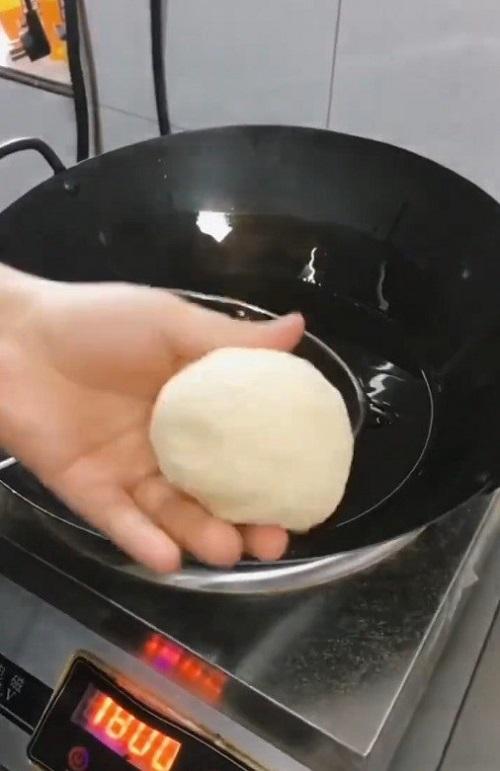
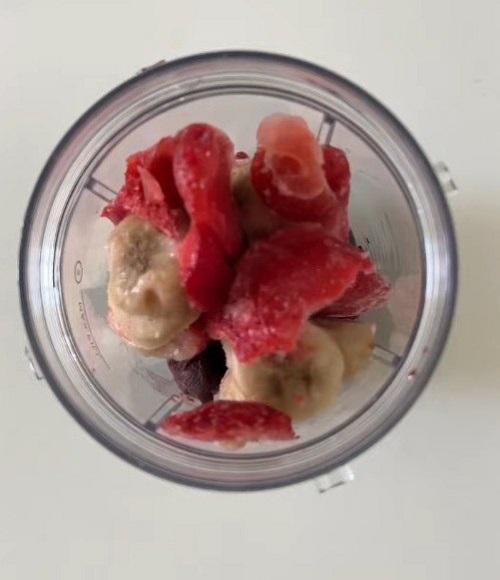
Now comes the fun part – shaping and filling your Danish pastries. Roll out the dough into a rectangle and spread a luscious mixture of 113g of room-temperature cream cheese, lemon juice, lemon zest, and powdered sugar. Add a handful of fresh or frozen berries for a burst of fruity goodness. Fold and layer the dough to create those iconic flaky pockets of goodness. For an extra layer of indulgence, prepare a butter packet by combining 250g of softened unsalted butter with 1 ½ tablespoons of all-purpose flour. Encase this buttery delight within your dough, creating multiple layers that will puff up beautifully in the oven.

Preheat your oven and brush the shaped pastries with a golden egg wash made by mixing a large egg with a tablespoon of water. Bake these treasures until they’re gloriously golden brown, their tempting aroma filling your kitchen. Once out of the oven, let them cool slightly before dusting with a touch of powdered sugar for that perfect finishing touch.

The Science of UFOs Investigating Unidentified Flying Objects

The term UFO, or Unidentified Flying Object, has been a subject of fascination, debate, and intrigue for decades. In popular culture, UFOs are often associated with extraterrestrial life and alien visitations. However, the scientific investigation of UFOs delves into a world of unexplained aerial phenomena that raises numerous questions about our understanding of the universe. In this blog post, we will explore the scientific perspective on UFOs and the ongoing efforts to understand these mysterious objects.1. The History of UFOs To understand the scientific investigation of UFOs, we must first delve into the history. Reports of unusual aerial phenomena date back centuries, with the term “flying saucer” coined in the 1940s. Since then, governments, scientific organizations, and dedicated individuals have sought to uncover the truth behind these enigmatic sightings. 2. Government Investigations Many governments have launched official investigations into UFO sightings. Notable among these is the U.S. government’s Project Blue Book, which examined thousands of cases from 1952 to 1969. While most cases were explained as natural phenomena or conventional aircraft, a small percentage remained unexplained, fueling the ongoing interest in UFO research. 3. Scientific Organizations Scientific organizations such as the Mutual UFO Network (MUFON) and the Center for the Study of Extraterrestrial Intelligence (CSETI) have collected and analyzed UFO reports. They use scientific methodologies to investigate sightings, often employing experts in various fields, including astronomy, meteorology, and physics. 4. The Search for Extraterrestrial Intelligence (SETI) The scientific search for extraterrestrial life is closely linked to UFO investigations. Projects like SETI use radio telescopes to listen for signals from advanced civilizations. While SETI primarily focuses on communication, it has inadvertently contributed to the understanding of UFO phenomena by ruling out artificial extraterrestrial signals. 5. The Role of Skepticism Scientific inquiry demands skepticism. Many reported UFO sightings can be explained by known natural or human-made phenomena. Scientists work to separate credible reports from hoaxes and misidentifications, a crucial step in understanding the unexplained cases. Conclusion The scientific investigation of UFOs is an ongoing and multidisciplinary endeavor. While most sightings can be attributed to conventional causes, a small percentage remains unexplained. These unexplained cases serve as a reminder of the mysteries of our universe. The scientific community remains committed to unraveling these mysteries and seeking natural explanations for UFO phenomena. As the search for answers continues, it is essential to approach the topic of UFOs with an open but critical mind. UFOs, as the name suggests, are unidentified, and not all unidentified objects are extraterrestrial in origin. Science, with its rigorous methods and evidence-based approach, provides the best tools for understanding these phenomena. In summary, the study of UFOs showcases the human quest for knowledge and our unending curiosity about the unknown. While the truth about UFOs is still elusive, scientific investigations persist, pushing the boundaries of our understanding of the cosmos and the potential for life beyond Earth. The scientific method, fueled by curiosity and evidence, will continue to guide our exploration of this intriguing phenomenon. Post Views: 2,004 Related