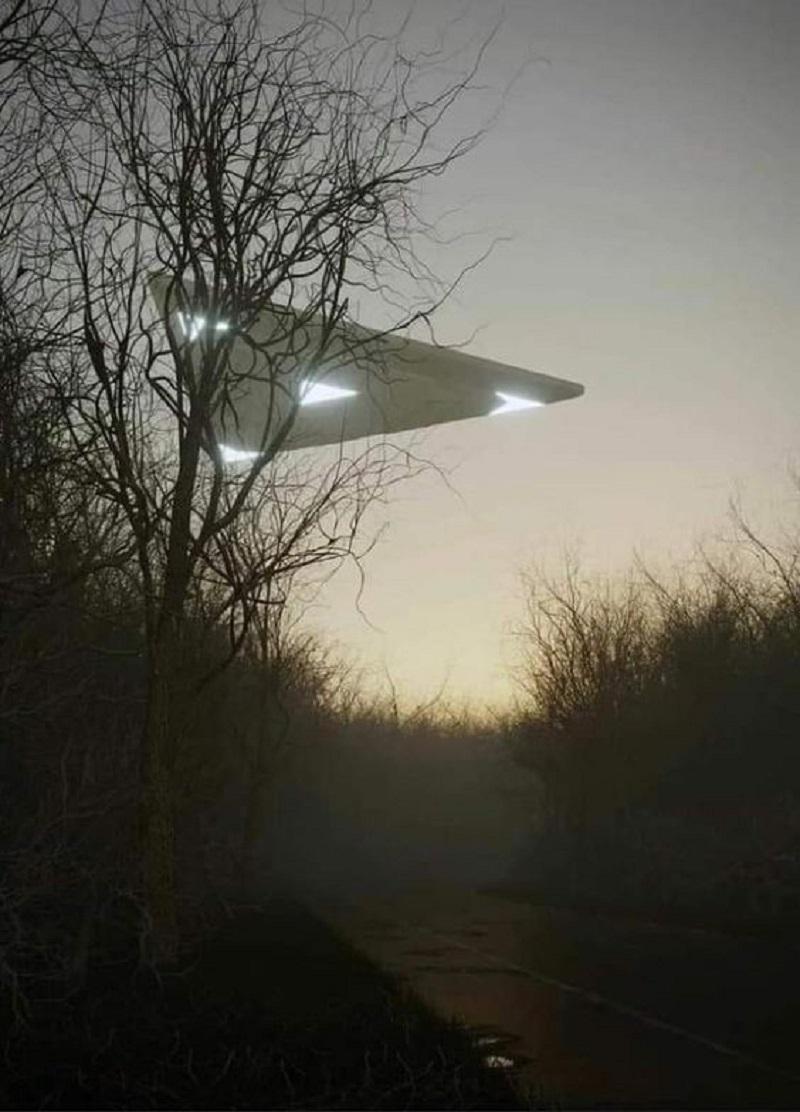
Shapes in Government UFO Databases: A Comprehensive Analysis
UFO sightings have intrigued and mystified people for decades. While many remain skeptical about their existence, governments around the world have collected data on these sightings for years. In this blog post, we will delve into the myterity of UFO shapes as documented in government databases. We will analyze the data to gain a better understanding of the different shapes reported and what they may reveal about the nature of these unidentified flying objects.

I. Government UFO Databases: A Treasure Trove of Data

Government agencies, including the United States’ Pentagon and the UK’s Ministry of Defence, have maintained databases of UFO sightings. These databases contain a wealth of information, including descriptions of the shapes and characteristics of UFOs reported by witnesses. While most sightings can be easily explained as natural phenomena or man-made objects, a small percentage defy conventional explanation, making them particularly intriguing.
II. The Myriad Shapes of UFOs
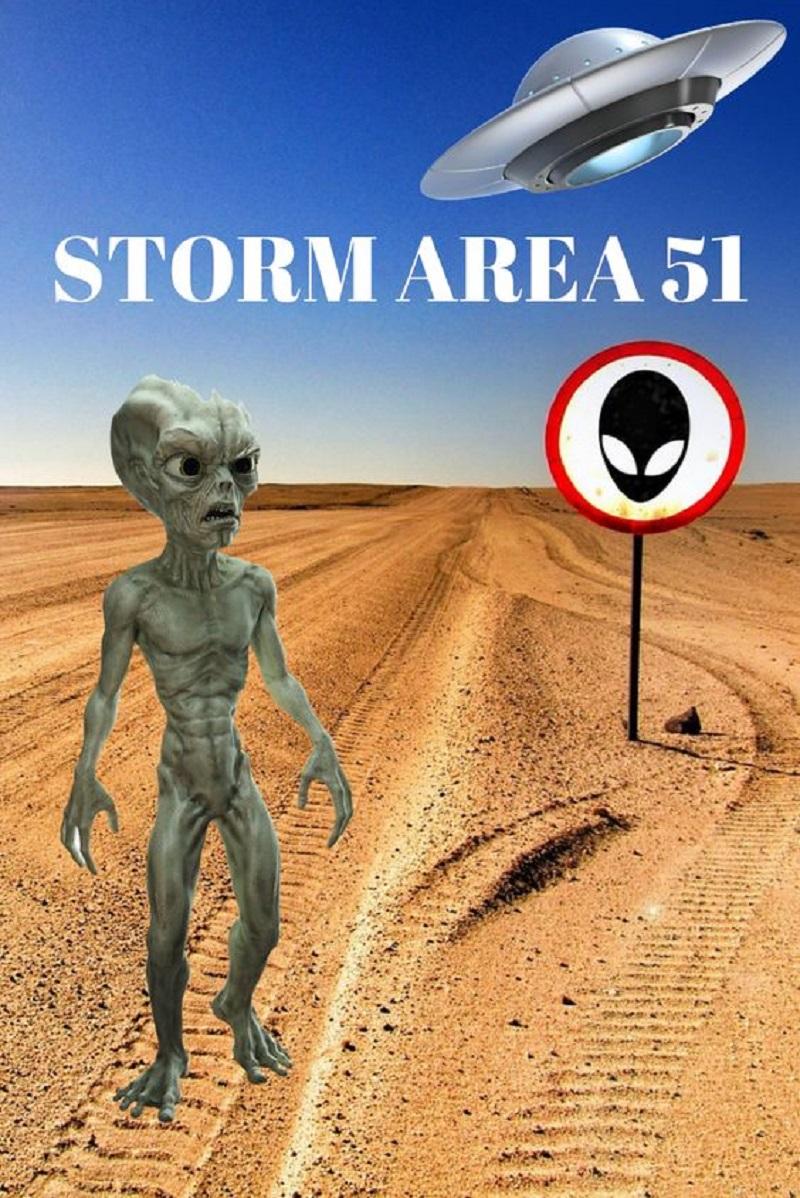
One of the most fascinating aspects of UFO sightings is the variety of shapes reported. The typical saucer-shaped UFO is just one of many. Witnesses have described triangular, cylindrical, spherical, and even diamond-shaped objects. Some reports detail more unconventional shapes, challenging our understanding of what technology or natural phenomena could produce.
III. Patterns in UFO Shapes
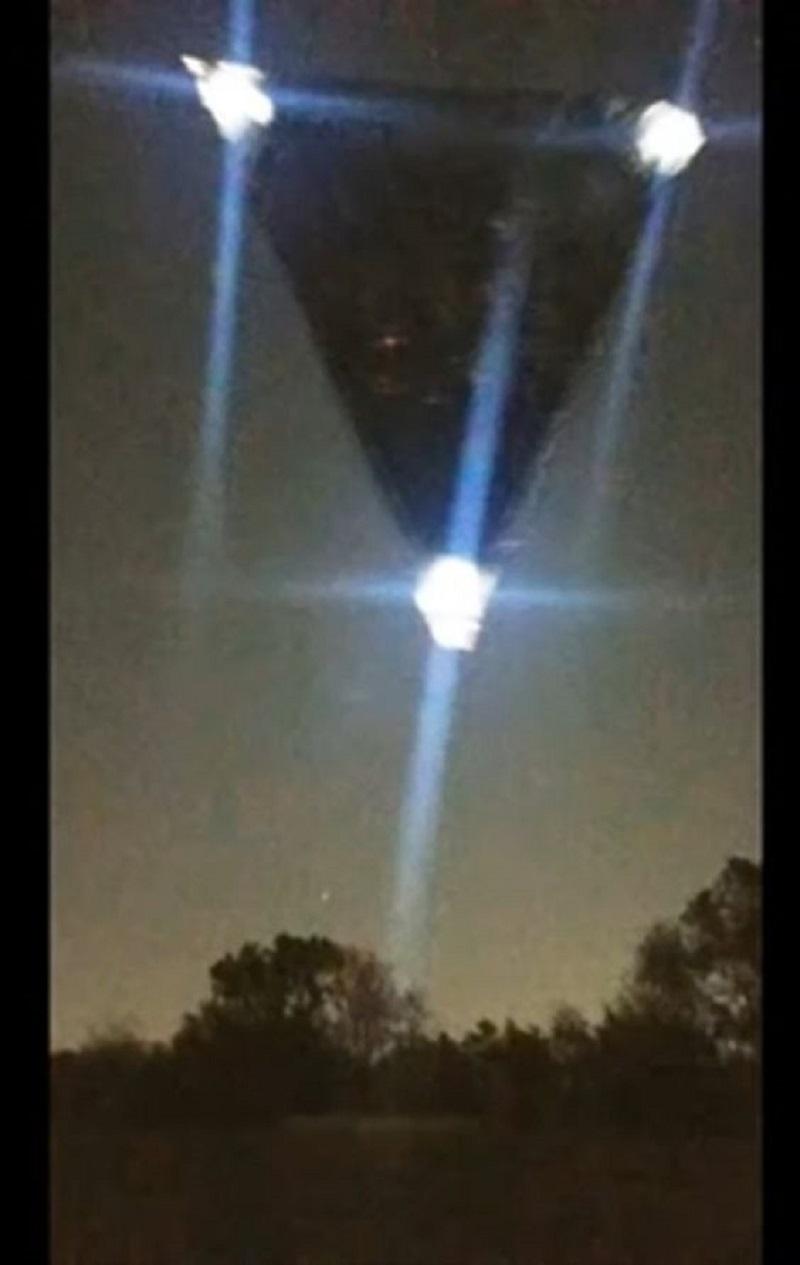
Analyzing the data from government UFO databases reveals intriguing patterns. For instance, some shapes seem to be associated with specific time periods or geographic locations. Triangular UFOs, for example, have been reported with increasing frequency in recent years. These patterns may provide clues about the nature and origin of these mysterious objects.
IV. The Myterity Persists

Despite decades of data collection and analysis, the myterity of UFOs endures. Government databases contain a wealth of reports, but conclusive answers remain elusive. As technology and investigative techniques advance, researchers continue to search for explanations. Are these shapes indicative of advanced military technology, natural atmospheric phenomena, or something truly otherworldly?
Government UFO databases are invaluable resources for studying the myterity of UFO shapes. The data contained within these records provide a window into the world of unidentified flying objects and the diverse array of shapes reported by witnesses. While patterns and trends emerge, many questions remain unanswered. The myterity of UFOs and their intriguing shapes continues to captivate the imaginations of those seeking to unravel the enigma of these unexplained aerial phenomena. As research and analysis of these databases continue, we move closer to uncovering the truth about these strange and captivating shapes that populate the skies of our world.
May You Like


Savoring the Flavors of Baja: A Culinary Journey with Fish Tacos

Crafting Healthy Delights: How to Make Hemp Balls