A woman heard a pitying squeak from a trash can – a puppy was freezing there
Early one morning a woman from Tadworth was on her way to work when she suddenly heard a piteous squeak coming from the garbage cans. She ventured closer and saw something crawling among the waste. She realized it was a puppy.
It happened on a February morning, when it was quite cold. Who threw the unfortunate animal into the garbage can and why is unknown, but it certainly could not have been done by an adequate person. The woman was shocked by her discovery, and rushed to get the animal out of the garbage on her own.
 The woman decided to be late for work, because it was necessary to save the animal’s life. She bought special milk for the puppy, fed it and called the RSPCA.
 Naturally, they listened to the story of the poor little dog and agreed to take it in. It was fortunate that the woman found the dog that morning, as Hurricane Doris soon hit the city, blanketing it with snow and bringing icy winds.
 The help center warmed and washed the dog and gave the necessary medicine to the baby with the big ears. At first everyone thought the dog was a mongrel, but it soon became a real handsome dog!
 The puppy was named Doris. The puppy was tiny and needed a mother, but there was no nursing dog in the shelter, so the volunteers nursed it as best they could, giving it milk from a pacifier.
 Doris turned out to be a terrific female dog. It began to resemble a stately sheepdog with long paws, big ears, and attentive eyes. It was glowing with health and wanted to find a home. Fortunately, it was adopted. Only it didn’t live long with its new owners – the couple had a baby and couldn’t keep the dog.
They did not abandon merry and playful Doris, but found a new home for it.
Doris turned out to be a terrific female dog. It began to resemble a stately sheepdog with long paws, big ears, and attentive eyes. It was glowing with health and wanted to find a home. Fortunately, it was adopted. Only it didn’t live long with its new owners – the couple had a baby and couldn’t keep the dog.
They did not abandon merry and playful Doris, but found a new home for it.
 The couple gave Doris to their good acquaintances, to whom the dog had already become accustomed.
 Now the dog will definitely stay with them forever!
The woman decided to be late for work, because it was necessary to save the animal’s life. She bought special milk for the puppy, fed it and called the RSPCA.
Naturally, they listened to the story of the poor little dog and agreed to take it in. It was fortunate that the woman found the dog that morning, as Hurricane Doris soon hit the city, blanketing it with snow and bringing icy winds.
The puppy was named Doris. The puppy was tiny and needed a mother, but there was no nursing dog in the shelter, so the volunteers nursed it as best they could, giving it milk from a pacifier.
Doris turned out to be a terrific female dog. It began to resemble a stately sheepdog with long paws, big ears, and attentive eyes. It was glowing with health and wanted to find a home. Fortunately, it was adopted. Only it didn’t live long with its new owners – the couple had a baby and couldn’t keep the dog.
They did not abandon merry and playful Doris, but found a new home for it.
Now the dog will definitely stay with them forever!May You Like



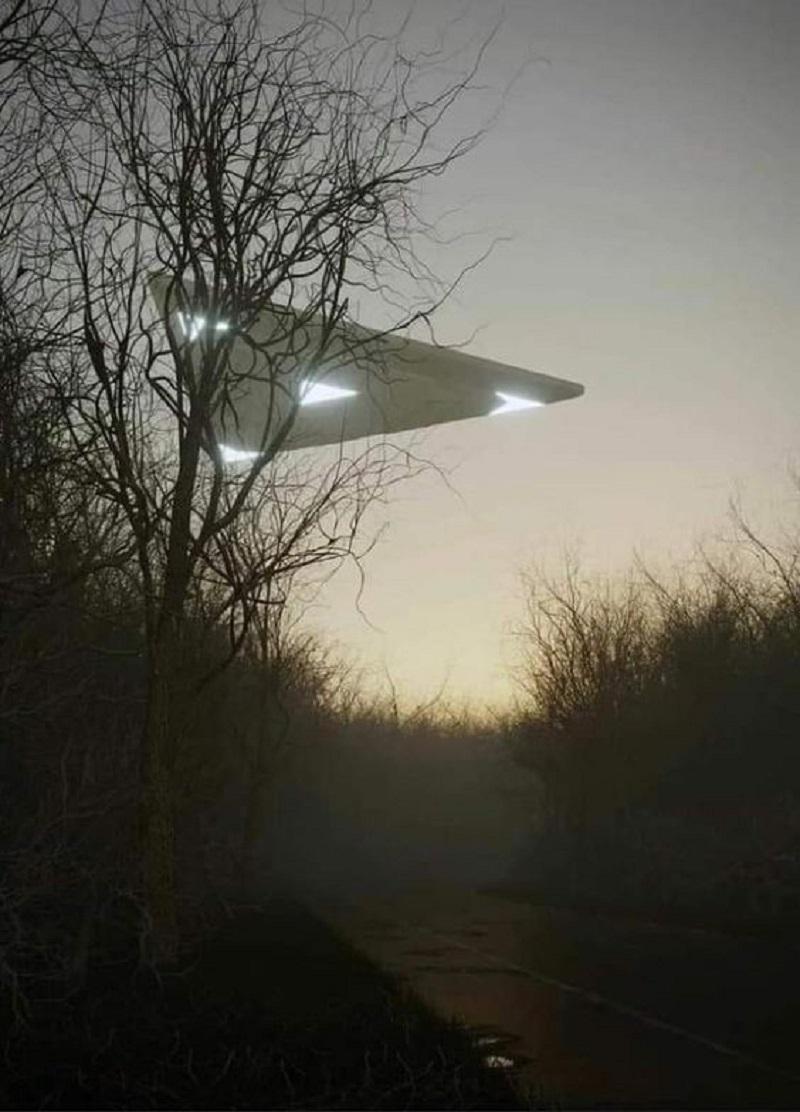
The vast expanse of space surrounding Earth has long been a source of fascination and mystery. Among the enigmas that orbit our planet, UFO encounters in Earth’s orbit hold a special place. In this blog post, we will explore the intriguing phenomenon of UFO sightings and encounters in the Earth’s orbit, shedding light on some of the most compelling incidents and the myterity that surrounds them.
I. The Mysterious World of Earth’s Orbit
Earth’s orbit is a realm of scientific exploration and satellite technology, but it’s also a place where unexplained and unidentified flying objects have made their presence known. UFO encounters in orbit have been reported by astronauts, scientists, and space agencies around the world, challenging our understanding of what may exist beyond our atmosphere.
II. High-Profile UFO Encounters
Throughout the history of space exploration, there have been several high-profile encounters with unidentified objects in Earth’s orbit. Notably, in 1965, astronaut James McDivitt photographed an object he couldn’t identify while aboard Gemini IV. Later, in 1985, Space Shuttle Discovery’s crew captured footage of mysterious objects flying alongside the shuttle. These encounters have perplexed experts and remain some of the most discussed cases of UFOs in orbit.
III. The Myterity of UFOs in Earth’s Orbit
Despite numerous accounts of UFO encounters in Earth’s orbit, the myterity surrounding their origin and purpose endures. Skeptics argue that these sightings may be explainable phenomena or even space debris. However, many ufologists and researchers contend that these objects display flight patterns and characteristics inconsistent with known space phenomena, leading to the belief that they could be of extraterrestrial origin.
IV. The Ongoing Search for Answers
The study of UFO encounters in Earth’s orbit continues to captivate the public’s imagination. As space exploration and commercial ventures to the cosmos expand, the quest for answers intensifies. Governments and space agencies are urged to release more information and data on these encounters, allowing for a more comprehensive understanding of what might be happening in our planet’s vicinity.
UFO encounters in Earth’s orbit remain one of the most perplexing and enduring mysteries in the realm of space exploration. Whether they are the result of advanced technology, natural phenomena, or something altogether different, the myterity of these objects endures. As we venture further into space, the search for answers and the understanding of our place in the universe take on new significance. The uncharted territory of space invites us to explore not only the mysteries beyond our world but also the enigmas that may lie just outside our atmosphere, reminding us that the universe is an endless source of wonder and questions that beg to be answered.
Post Views: 816
Related